What are the current trends in student furniture?
In 2026 the emphasis within the education sector is on creating learning and living spaces that are adaptable and welcoming, with a shift away from traditional, fixed furniture. Other factors for consideration include ways to integrate technology, while also maximising ergonomics and sustainability to ensure that spaces are active, inspiring and environmentally friendly. Finally, there’s a growing trend towards furniture that is modular, multi-functional and, above all, mobile, to allow students to switch seamlessly between collaborative and individual learning.
Mobility
Modular tables and desks with wheels enable classrooms to be quickly reconfigured and reorganised between a traditional setup in rows for individual study and into smaller clusters for group work. For smaller rooms, nesting tables and stackable chairs are guaranteed space savers.
Technology readiness
Most students will likely have a laptop and a smartphone – and possibly also a tablet – so workstations that directly embed power outlets, USB charging ports and cable management channels are becoming the norm.
Sustainability
In keeping with their green credentials, schools and universities are looking to source furniture constructed from recycled plastics, bamboo composites, and FSC-certified wood to minimise their environmental impact.
Ergonomics and wellbeing
Students’ physical and mental health are both paramount and that’s resulted in a growth in demand for sit-stand desks, which can simultaneously reduce physical strain and improve concentration. Alternatively, active seating – such as wobble stools, stability balls and chairs with lumbar support – also promotes movement to reduce static time.
Collaborative and personalised learning
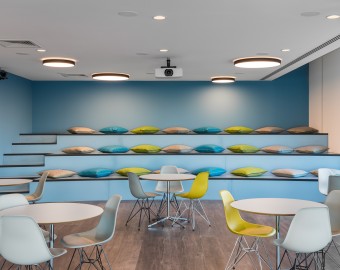
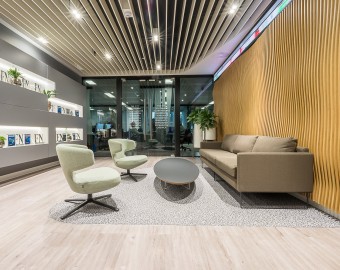
Student accommodation and classrooms are featuring inviting home-from-home furniture to maximise learner comfort and increase productivity. From shared spaces for group learning and debate to quiet spaces for solo study, educational establishments need to include them all.
Inclusivity
Furniture design is also increasingly catering to the needs of neurodiverse students, with silent booths, quiet pods, sound-absorbing acoustic panels and soft, noise-absorbing fabric seating options proving popular.
Space-saving solutions
When it comes to student housing and campus accommodation, space can be at a premium. This is where multi-functional furniture such as loft beds with storage beneath, foldable desks and even storage ottomans are key to making the most of the space available.
Ultimately, the aim of the game when it comes to student furniture in 2026 is to improve engagement and academic performance by providing a comfortable, stimulating and supportive environment for their studies.
The Workspace Consultants are specialists in design, project management and furniture supply for the education sector across the UK. If you’re looking to refresh your educational space, why not call us on 01223 656111 or complete our enquiry form to arrange an initial consultation?